Why insurance companies deny claims is a tough question for many Atlanta residents when paperwork or policy details trip them up. Before we dive into our guide, let’s look at a quick snapshot of common reasons insurers often say “no.”
Snapshot Of Primary Denial Reasons

- Administrative Errors: Typos, wrong billing codes, or missing signatures
- Policy Exclusions: Services or treatments that your policy doesn’t cover
- Insufficient Medical Evidence: Lack of clear proof that a treatment was necessary
- Timely Filing Issues: A one-day delay can sink your claim
- Network Restrictions: Out-of-network providers often trigger automatic denials
These five factors act like missing ingredients in a recipe: one slip and the whole claim can collapse. Below is a quick comparison showing how often each reason appears.
Primary Reasons For Claim Denials
| Denial Reason | Approximate Rate |
|---|---|
| Administrative Errors | 20–25% |
| Policy Exclusions | 15–20% |
| Insufficient Medical Proof | 18–22% |
| Late Submission | 12–15% |
| Network Restrictions | 8–10% |
These rates can shift by insurer and plan type, but they highlight where claims commonly falter.
Next Steps For Review
According to a recent CMS report, these five causes account for 73% of denials. Spotting these red flags early lets you strengthen your follow-up before filing an appeal.
Action Checklist
- Double-check every signature, date, and billing code.
- Review your policy for exclusions or limits via Georgia DOI insurance FAQs.
- File all paperwork well before the deadline.
- Attach complete medical records to support necessity.
For definitions, see the Healthcare.gov glossary and our Personal Injury Claims page. It’s time to tighten your process and finally understand why insurance companies deny claims.
Common Reasons Insurance Companies Deny Claims
Insurance denials often stem from simple missteps or hidden policy language—like finding an unexpected fee in a phone bill.
In 2023, roughly 49 million denials (19% of ACA marketplace claims) occurred. For more detail, check this research summary on claim denials.
Denial Categories And Rates
| Category | In-Network Rate | Out-of-Network Rate |
|---|---|---|
| Admin Errors | 20–25% | 30–35% |
| Policy Exclusions | 15–20% | 25–30% |
| Insufficient Evidence | 18–22% | 28–32% |
| Late Filing | 12–15% | 20–25% |
Typical Administrative Hurdles
- Unsigned forms or wrong billing codes
- Mismatched patient info in the insurer’s database
Providers estimate nearly 50% of denials come from data-entry glitches.
Frequent Policy Wording Traps
Policies can hide exclusions—age limits, experimental treatment bans, or preexisting condition clauses. Highlight exclusions before scheduling services.
Out-Of-Network And Authorization Issues
- Confirm provider network status before treatment.
- Secure written preauthorizations.
- File appeals promptly.
Insufficient Medical Evidence
- Attach imaging, lab results, and physician statements
- Include specialist reports when needed
Missed Filing Deadlines
- Set reminders for submission and appeal dates
- Use certified mail or electronic delivery
- Record dates on denial letters
Real Cases
- A blank field caused a surgery denial.
- An out-of-network lab test never matched insurer records.
Administrative Errors And Data Quality Issues
- Typos in names or member IDs
- Missing preauthorization codes
- Wrong ICD or CPT codes
- Outdated demographics
- Unsigned or undated forms
Common Causes In The Intake Stage
“Just one miskeyed digit or missing signature can send a claim into a denial black hole.”
Integrating Quality Checks Daily

Coverage Limits And Policy Exclusions

Common Exclusions
- Preexisting conditions
- Experimental treatments
- Age caps
- Off-label prescriptions
- High-cost therapies
Policy Limit Comparison
| Feature | Plan A | Plan B |
|---|---|---|
| Prosthetic Coverage Limit | $10,000 | Unlimited |
| Preexisting Condition Exclusion | 12-Month Look-Back | No Look-Back |
| Experimental Treatment Exclusion | Excluded | Covered With Review |
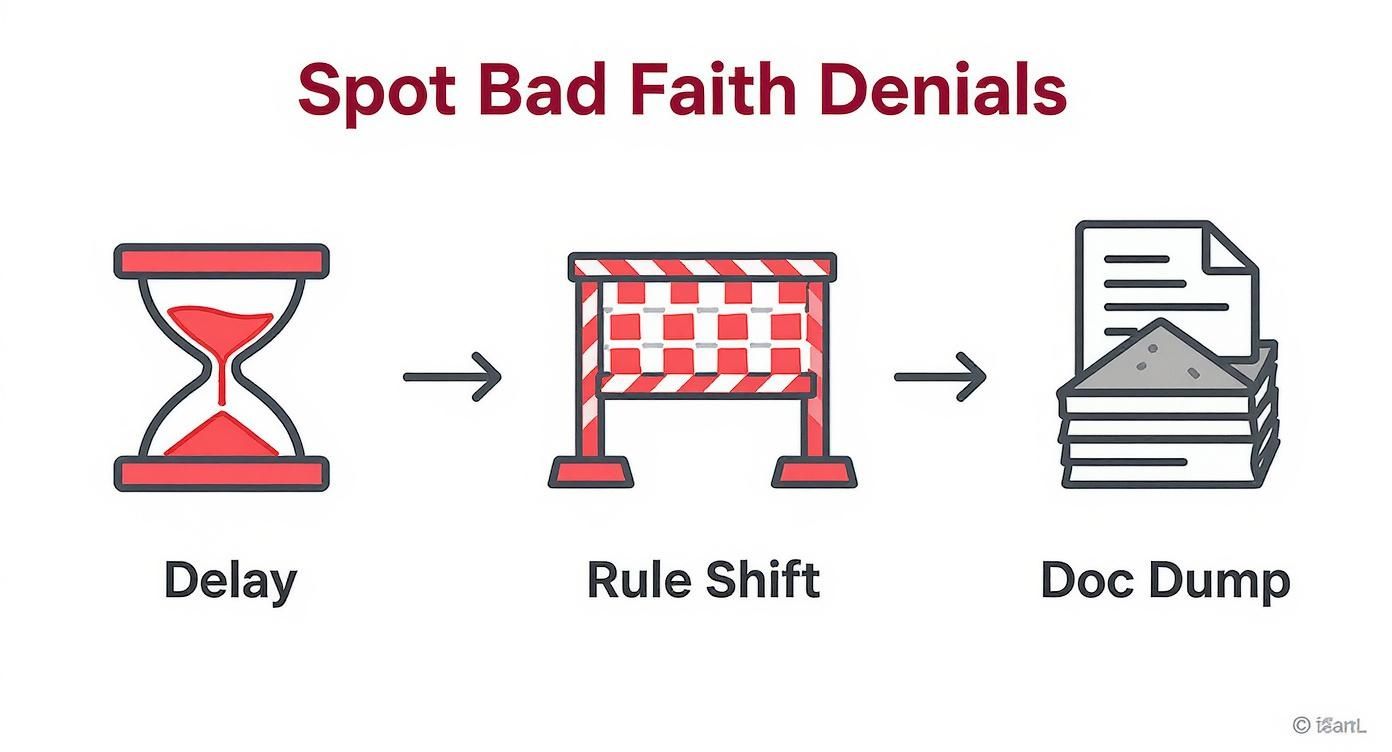
How To Spot Bad Faith Claim Denials
- Extensive document dumps
- Shifting requirements
- Excessive delays
- Repeated missing info requests
Evidence To Gather
- Email logs
- Call logs
- Letters
- Policy wording
- Timeline records
Steps To Appeal And Respond To Denials
Document Checklist
- Denial letter
- Policy sections
- Medical records
- Invoices and receipts
- Proof of submission
- Email and call logs
Timeline For Appeal Submission
| Stage | Deadline | Required Action |
|---|---|---|
| Initial Appeal | Within 30 days | Mail letter with receipt |
| Acknowledgment | 5 business days | Confirm with supervisor |
| Supervisor Escalation | Within 45 days | Send escalation request |
| State Oversight | Within 90 days | Submit to Georgia DOI |
Frequently Asked Questions
What Documentation Do I Need?
- Denial letter
- Medical records
- Preauthorization forms
- Proof of timely filing
How Long Does An Appeal Take?
Initial reviews take about 30 days. Escalations up to 90 days.
Can I Switch Insurers Mid-Case?
Switching carriers resets deadlines and increases complexity.
When To Contact An Atlanta Attorney?
If denials repeat or you suspect unfair tactics.