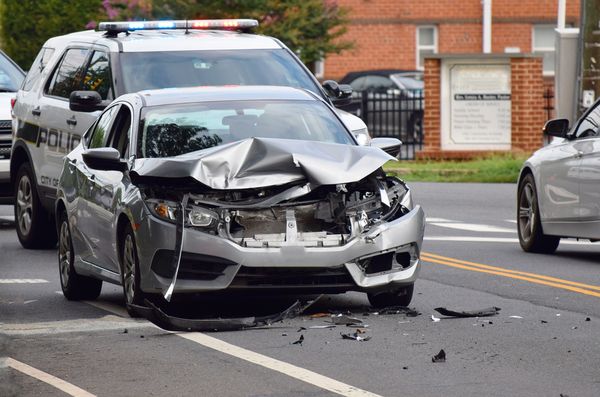
Injured as a Passenger in Atlanta: Who You Can Sue and Why It Matters
If you were injured as passenger Atlanta, you can sue any driver whose negligence caused the crash. This includes the driver of the car you were riding in during the collision. You can also file claims against other drivers who contributed to the incident on the road. Passengers rarely bear any fault for a car accident passenger incident in Georgia. You have strong passenger rights under state law to seek full insurance coverage for medical bills and lost pay. Understanding who can I sue helps you recover financial losses without unnecessary stress after an unexpected vehicle crash.

- Who you can sue: any at-fault driver, including your own
- Coverage sources: liability, UM/UIM, medical payments
- Georgia rule: passengers are almost never at fault
- Key step: get medical treatment and document everything
Your Rights as a Passenger in Georgia
Passengers Rarely Share Blame for Crashes
As a passenger, you do not control the vehicle at any time. You do not steer, accelerate, brake, or make driving decisions on the road. Because of this, legal fault almost never falls on you after a collision occurs. Georgia law protects passengers who suffer harm due to careless driving actions. You have the legal right to pursue financial compensation for all your injuries. This right applies regardless of who was driving the vehicle at the time. According to traffic safety data from Georgia Highway Safety, passenger protection remains an important legal priority. When you suffer injuries, state law treats you as an innocent crash victim. You can file a passenger injury claim against any negligent driver involved. If you were injured as passenger Atlanta, state laws fully protect your recovery rights.
“As an innocent passenger, you should never bear the financial burden of someone else’s mistake on the road.”
Right to Recover Full Financial Damages
Georgia civil law allows injured passengers to pursue complete recovery for economic losses. These losses include emergency room bills, hospital stays, physical therapy, and prescription drugs. If your injuries keep you out of work, you can claim lost income. Future medical treatment costs are also fully recoverable under state legal guidelines. You can read more about fault rules under Georgia comparative negligence statutes online. Non-economic damages cover physical pain, emotional distress, and reduced quality of life. A formal personal injury claim accounts for both current and future financial needs. Documenting every expense ensures that no single loss gets overlooked. Any person injured as passenger Atlanta can claim full reimbursement for documented medical bills.
Protection Under Georgia Negligence Laws
Georgia operates under a fault-based system for all motor vehicle collisions. The driver who acts carelessly must pay for the harm they cause to others. Drivers owe a duty of care to everyone sharing the roadway. This legal duty extends directly to passengers sitting inside their own vehicle. When a driver speeds, uses a phone, or runs a red light, they breach that duty. That breach creates clear driver liability under Georgia civil statutes. You do not need complicated legal theories to prove a driver was careless. Showing that a driver violated traffic laws is often enough to show fault. Being injured as passenger Atlanta gives you strong legal standing under state statutes.
Freedom to File Against Multiple Policies
Passengers are not restricted to filing against only one insurance policy. If multiple drivers contributed to the crash, you can file against each driver. This approach helps maximize the available funds for your medical recovery. In many cases, one policy might not cover all your medical expenses. Combining available coverage sources provides much stronger financial protection for your recovery. You can also examine your own auto policy for additional coverage options. Every policy in a Georgia car accident has specific limits and guidelines. When you are injured as passenger Atlanta, identifying every policy is vital.
Who You Can File a Claim Against
- Other driver: if the other driver caused the crash
- Your own driver: if your driver was at fault
- Both drivers: if both shared fault for the accident
- Rideshare company: if riding in an Uber or Lyft
Claims Against the Other At-Fault Driver
If another vehicle hit the car you were in, that driver may be responsible. Common examples include rear-end collisions, T-bone hits, or head-on crashes caused by oncoming cars. In these situations, you file a claim against the other driver’s liability policy. National crash statistics from NHTSA show that driver error causes most multi-vehicle collisions. The other driver’s insurance policy must cover your medical treatment and lost earnings. Gathering police reports and witness notes strengthens your stance against their insurance company. When the other driver is clearly at fault, their insurer should pay fairly. An individual injured as passenger Atlanta can demand full coverage from the at-fault driver.
Claims Against the Driver of Your Vehicle
Many people feel hesitant about filing a claim against the driver of their vehicle. This reaction is normal when the driver is a relative, friend, or coworker. It is vital to understand that you seek money from their insurance policy, not their personal account. Drivers buy auto insurance specifically to cover injuries to passengers and other victims. If you were injured as passenger Atlanta due to your driver’s error, their policy applies. Your friend or relative paid insurance premiums for this exact financial protection. Filing a claim does not mean you are suing them personally or causing financial harm. Your passenger rights allow you to access host vehicle coverage without guilt.
“Filing an insurance claim against a friend’s auto policy is not personal. It is why they buy coverage in the first place.”
Claims Involving Both Drivers at the Same Time
Some collisions happen because two or more drivers made careless driving mistakes. For example, one driver might speed while another driver fails to yield at an intersection. In these cases, both drivers share legal responsibility for the resulting crash. As an injured passenger, you can pursue claims against both drivers at the same time. Each driver’s insurance policy contributes to your total recovery based on assigned fault. This multi-claim approach is common in serious multi-vehicle collisions on busy highways. Our legal team reviews cases of negligence to identify every responsible party. If you are injured as passenger Atlanta, dual claims help cover extensive losses.
Claims Against Rideshare Drivers and Companies
If you were hurt while riding in an Uber or Lyft, specific rideshare insurance rules apply. Rideshare corporations carry large commercial liability policies for active passenger trips. If the rideshare driver caused the crash during a ride, commercial insurance coverage applies. These commercial policies often provide up to one million dollars in total coverage. If another driver hit your rideshare car, that driver’s liability policy pays first. Rideshare companies also maintain backup coverage if the other driver lacks insurance. A car accident passenger in a rideshare vehicle has strong state legal protection. Anyone injured as passenger Atlanta during a rideshare trip should review policy terms immediately.

What If Both Drivers Were at Fault
Understanding Georgia Comparative Negligence Rules
Georgia follows a comparative negligence doctrine under state statutory law. This legal rule determines how fault gets divided among all drivers in a crash. When multiple drivers cause a collision, insurance adjusters assign a fault percentage to each. For example, one driver might be 60 percent at fault, while another is 40 percent at fault. As an innocent passenger, your recovery is not reduced because you made no error. You can collect the appropriate percentage of your damages from each driver’s insurer. State information on Georgia state services outlines general legal standards. A person injured as passenger Atlanta remains eligible for full damages despite shared driver fault.
How the Georgia 50 Percent Rule Applies
Georgia applies a modified comparative fault rule with a 50 percent threshold. A driver cannot collect damages if they bear 50 percent or more of the total fault. However, this rule rarely affects a passenger who had no driving control. Since passengers usually hold zero percent fault, you remain fully eligible for financial recovery. Even if two drivers split fault equally at 50 percent each, you can recover from both. The 50 percent threshold protects innocent victims from losing their right to compensation. When you are injured as passenger Atlanta, state comparative rules work in your favor. You can pursue a personal injury claim against both negligent drivers freely.
“Insurance companies often point fingers at each other. Our job is making sure they all pay what they owe you.”
Apportioning Fault Among Multiple Insurance Carriers
When multiple insurance carriers are involved, assigning fault can cause long disputes. Each insurance adjuster tries to blame the other driver to lower their own company’s payout. While carriers argue over fault percentages, your medical bills continue to accumulate quickly. Your attorney coordinates with all involved insurers to protect your financial interests. In many cases, settlements are reached by getting each carrier to pay their fair share. If insurers refuse to agree, filing a formal court lawsuit forces them to address liability. Every victim injured as passenger Atlanta deserves an accurate fault distribution process.
Insurance Coverage Available to Passengers

Driver Liability Policies and Minimum Limits
Georgia law mandates that all drivers carry minimum bodily injury driver liability insurance limits. State minimum limits require $25,000 for bodily injury per person and $50,000 per accident. In serious crashes, these minimum policy amounts may not cover all your medical expenses. If multiple passengers suffer harm, the $50,000 total limit gets divided among all injured victims. This policy division can leave individual victims with unpaid hospital bills and lost wages. Identifying higher policy limits or secondary coverage options becomes essential in major injury cases. Understanding driver liability limits is the first step in constructing a solid claim. When you are injured as passenger Atlanta, checking policy limits is essential.
Uninsured and Underinsured Motorist Coverage
Uninsured motorist coverage pays when an at-fault driver carries no auto insurance. Underinsured motorist coverage applies when the responsible driver’s policy limits are too low. As an injured passenger, you may access uninsured motorist policies from several different sources. First, you can use the policy attached to the vehicle you were riding in during the crash. Second, you can use your own personal auto policy if you own a registered vehicle. Third, resident family members’ policies in your household may also provide additional coverage. Combining these policies is known as policy stacking under Georgia auto insurance laws. If you were injured as passenger Atlanta, uninsured coverage offers essential protection.
Medical Payments Coverage and Personal Health Insurance
Medical Payments coverage, often called MedPay, is an optional add-on in Georgia auto policies. MedPay pays medical expenses right away following a crash regardless of who was at fault. If the car’s owner carries MedPay, it can cover your initial hospital or doctor visits. Your personal health insurance policy can also pay for necessary treatments immediately. Health insurers may later seek reimbursement from your injury settlement under subrogation guidelines. A dedicated personal injury lawyer handles these insurance interactions for you. Every person injured as passenger Atlanta should explore MedPay options right away.
Comparing At-Fault Parties and Insurance Coverage Options
Understanding who to sue after being injured as passenger Atlanta depends on which party caused the collision. The table below compares the common responsible parties in passenger claims.
| At-Fault Party | Primary Insurance Source | Key Advantages | Potential Challenges |
|---|---|---|---|
| Other At-Fault Driver | Their Personal Liability Policy | Clear driver liability when other driver ran red light | Policy limits may be too low for severe injuries |
| Driver of Your Vehicle | Your Driver’s Liability Policy | Direct insurance coverage under host vehicle policy | Personal hesitation between passenger and driver |
| Both Drivers Shared Fault | Both Drivers’ Liability Policies | Access to multiple policies for a passenger injury claim | Insurers disputing fault percentages and delaying payout |
| Rideshare Driver (Uber/Lyft) | Rideshare Commercial Policy | Higher policy limits up to $1,000,000 during active trips | Policy rules depending on app ride status |
| Uninsured Motorist | Your Own or Host Vehicle Policy | Protects passenger rights when driver lacks insurance | Strict policy notice requirements and coverage caps |
What to Do Immediately After a Crash as a Passenger
Calling Law Enforcement and Securing the Police Report
Always call law enforcement to the scene of any crash involving injuries or vehicle damage. Responding police officers create an official crash report documenting collision details and driver statements. Make sure the investigating officer lists you as a passenger in the official police document. Verify that your full name, contact information, and reported injuries are recorded accurately. The police report serves as vital evidence when filing a passenger injury claim later. You can review general court guidelines through Georgia Courts online resources. An accurate police report prevents drivers from changing their stories about how the collision occurred. If you were injured as passenger Atlanta, obtaining this report is top priority.
Gathering Evidence and Contact Information at the Scene
If your physical health allows, collect key evidence directly at the crash scene. Take clear photos of all damaged vehicles, license plates, traffic signals, and skid marks. Get names, phone numbers, and insurance details from every driver involved in the accident. Ask eyewitnesses for their contact details before they leave the crash area. Take photos of visible injuries, such as cuts, bruises, or swelling, right away. Save any personal property damaged in the crash, including broken phones or torn clothing. A passenger injured as passenger Atlanta benefits greatly from early photographic proof.
“Seeking prompt medical care protects both your physical health and your legal rights after a crash.”
Seeking Immediate Medical Care and Documenting Injuries
Your physical health must remain your top priority immediately following any vehicle collision. Some injury symptoms, like concussions or internal bleeding, do not appear right away. Adrenaline can mask serious pain and physical symptoms in the hours following a crash. Visit an emergency room or urgent care clinic for a full medical evaluation immediately. Tell treating doctors that you were hurt in a motor vehicle collision as a passenger. Consistent medical documentation connects your physical harm directly to the vehicle crash. Health guidance from the CDC transportation safety division highlights prompt medical evaluation after crashes. Anyone injured as passenger Atlanta should get medical attention without delay.
Common Mistakes Passengers Make
- At-fault driver liability: primary source of compensation
- Your driver’s liability: if your driver was at fault
- UM/UIM coverage: if the at-fault driver has no or low insurance
- Medical payments: covers medical bills regardless of fault
Hesitating to File a Claim Against a Friend or Relative
Many injured passengers delay filing claims because they know the driver personally. They worry that filing a claim will cause financial problems for a loved one. In reality, auto insurance policies exist specifically to pay for accidental harm and injuries. Your claim seeks funds from the insurance company, not your friend’s personal savings account. Delaying your claim can cause you to miss strict statutory deadlines for legal recovery. A skilled lawyer handles insurance adjusters professionally to protect important personal relationships. When you are injured as passenger Atlanta, seeking insurance funds is the right decision.
Giving Recorded Statements to Insurance Adjusters
Shortly after a crash, insurance adjusters from multiple companies will likely contact you. They often sound friendly and pretend to care about your health and recovery. Adjusters ask for recorded statements to find reasons to lower or deny your claim. You are not legally required to give a recorded statement to another driver’s insurer. Politely decline recorded statements until you consult with an experienced legal professional. Protecting your words ensures insurance companies treat your personal injury claim fairly. If you were injured as passenger Atlanta, protect your legal rights by staying quiet.
Accepting an Early Settlement Offer
Insurance companies often offer quick settlement checks shortly after a collision occurs. These early offers may look attractive when medical bills start arriving in your mailbox. However, initial offers rarely cover long-term medical care, future therapy, or lost income. Once you accept a settlement check and sign a release, your case closes permanently. Wait until your doctor confirms you reached maximum medical improvement before discussing settlement numbers. A qualified car accident lawyer reviews settlement offers to safeguard your future finances. A victim injured as passenger Atlanta should never rush into an early settlement.
How a Lawyer Helps Passenger Injury Cases
Investigating the Crash and Proving Liability
Proving fault in multi-vehicle collisions requires detailed investigation and evidence collection. An attorney gathers police crash reports, video footage, vehicle data, and witness statements. When necessary, accident reconstruction specialists analyze crash scenes to show how collisions happened. Establishing clear fault forces negligent drivers and their insurers to take responsibility. Solid physical evidence prevents insurance adjusters from shifting blame or denying valid claims. Your lawyer works tirelessly to gather every piece of evidence supporting your claim. If you were injured as passenger Atlanta, an investigation proves your entitlement to damages.
Handling Multi-Policy Negotiations
Managing multiple insurance policies requires clear strategy and deep knowledge of insurance rules. Insurers often dispute which policy is primary and which policy provides secondary coverage. Your attorney coordinates communication between all involved insurance companies to keep things moving. We review policy language to identify stacking options, MedPay coverage, and underinsured limits. Professional negotiation keeps insurance adjusters focused on reaching a fair financial agreement. This dedicated support allows you to focus completely on your physical healing and family. Anyone injured as passenger Atlanta benefits from professional insurance negotiation.
“When multiple insurance policies are involved, strong representation ensures you receive every dollar available.”
Fighting for Maximum Compensation in Court
If insurance companies refuse to offer a fair settlement, taking your case to court is necessary. Filing a court lawsuit shows insurance carriers that you are serious about protecting your rights. Your attorney handles all court filings, discovery requests, depositions, and pretrial motions efficiently. In court, your lawyer presents physical evidence, medical records, and expert testimony to the jury. Having a prepared trial attorney forces insurance companies to take your claim seriously. When you are injured as passenger Atlanta, a trial attorney protects your interests in court.
Seeking Compensation After Being Injured as a Passenger in Atlanta
Frequently Asked Questions About Passenger Claims
Here are answers to common questions asked by people who were injured as passenger Atlanta on local roads.
| Question | Answer |
|---|---|
| If I was injured as passenger Atlanta, who can I sue? | You can sue any driver whose negligence caused the crash, including your driver or other motorists. |
| Will filing a passenger injury claim hurt my friend’s personal finances? | No, claims seek payment directly from the insurance policy, not from your friend’s bank account. |
| What if the driver who caused my Georgia car accident has no insurance? | You can seek coverage through uninsured motorist policies on your vehicle or the host car. |
| How long do I have to file a personal injury claim in Georgia? | Georgia law generally gives you two years from the crash date to file a personal injury lawsuit. |
| Can I collect compensation if both drivers shared fault for the collision? | Yes, you can collect damages from both drivers based on their assigned percentage of fault. |
| Does MedPay cover my immediate medical bills after a crash? | Yes, MedPay pays medical bills up to policy limits regardless of who caused the collision. |
| Should I give a recorded statement to the insurance adjuster? | No, you should decline recorded statements until you consult with an experienced attorney. |
| How much does it cost to hire an attorney for my passenger claim? | Most attorneys work on a contingency fee, meaning you pay no upfront fees unless you win compensation. |
If you were injured as passenger Atlanta, you do not have to deal with medical bills and insurance companies alone. You have clear legal rights to seek full financial compensation from all negligent drivers. At Jamie Ballard Law, we fight to protect innocent crash victims and secure maximum recovery. Let us handle the insurance negotiations while you focus on healing. Call us today at (404) 885-8544 or contact our office online to schedule your free consultation.